The Importance of Planning for Historic Home Addition
When considering a Historic Home Addition, meticulous planning is essential to create a space that harmonizes with the existing structure while also fulfilling modern needs. Understanding local regulations, identifying architectural styles, and setting a realistic budget are crucial steps in this process. These elements ensure that the addition enhances rather than detracts from the home's historical value.
Understanding Local Regulations
Before embarking on a historic home addition, it’s imperative to familiarize yourself with local regulations and preservation guidelines. Many areas have specific rules about modifications to historic properties that dictate everything from the design to the materials used. Zoning laws, building codes, and historic district guidelines may require permits or even the approval of a local preservation board. Understanding these regulations right from the start can help avoid costly alterations later on, ensuring that your addition is both compliant and respectful of the property’s heritage.
Identifying Architectural Styles
The architectural style of your historic home will play a significant role in the design of your addition. It’s essential to research the existing styles prevalent during the home's original construction to stay true to its character. This includes understanding details like rooflines, window styles, and materials. Consulting with an architect who specializes in historical renovations can aid in accurately reflecting the home’s style in the new design. The goal is to create a seamless transition between old and new, maintaining the home's historical integrity.
Setting a Realistic Budget
Budgeting for a historic home addition can be particularly challenging due to the unique materials and labor required. It is crucial to account for all aspects of the project, from design fees to construction costs, and even contingencies for unexpected issues that may arise with older structures. Engaging with a contractor experienced in historic renovations can provide valuable insight into cost-effective strategies that don’t sacrifice quality. A well-planned budget will help avoid financial strain and ensure the project stays on track.
Design Considerations for Historic Home Addition
When designing a historic home addition, creating a balance between integrating new elements and retaining the home's original charm is key. Successful designs often blend traditional and contemporary features, enhancing the overall aesthetic while meeting functional needs.
Blending New with Old Elements
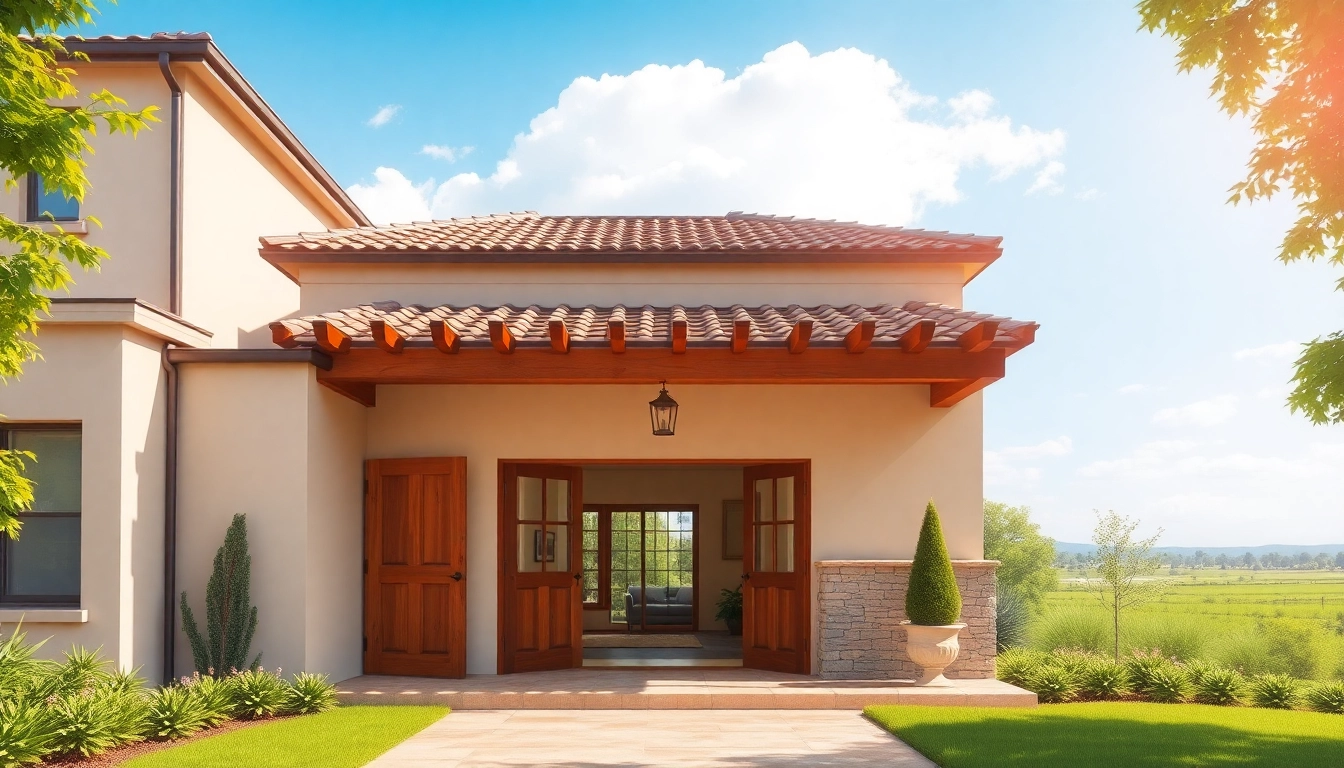
To achieve a harmonious design, it's vital to incorporate elements that echo the original architecture while introducing modern conveniences. For instance, you can use similar materials such as brick, wood, or stone that were used in the original structure. Architectural details like moldings, columns, and trims can also be replicated to maintain continuity. This blend of old and new not only respects the historical aspects of the home but also creates a cohesive look that feels intentional rather than tacked on.
Choosing the Right Materials
Selecting materials that match or complement the original structure is crucial for maintaining authenticity. Researching the historical context of materials used in the original home can guide your choices. Oftentimes, salvaged materials from reclaimed sources can provide a perfect match, adding character while being environmentally friendly. For modern upgrades like energy-efficient windows, selecting styles that mimic the original dimensions and appearance will ensure that these additions stay true to the home’s aesthetic.
Incorporating Energy Efficiency
Modern energy efficiency standards can be integrated into the historic home addition without sacrificing visual appeal. Using high-performance insulation, energy-efficient windows, and sustainable materials can significantly reduce energy costs while enhancing comfort. Implementing these improvements during construction will not only benefit the environment but can also increase the property’s value, attracting future buyers who prioritize efficiency.
Common Challenges in Historic Home Addition Projects
Challenges abound when planning a historic home addition, particularly regarding the preservation of the home's character and structural integrity. Understanding these challenges can help in finding proactive solutions.
Navigating Structural Limitations
Historic homes are often subject to unique structural limitations that might inhibit expansion or modification. Factors like basement and foundation issues may complicate construction efforts. Consulting with structural engineers and contractors experienced in historic renovations can help assess these limitations and devise creative strategies to work within them. This may include reinforcing existing structures or using innovative building techniques that emphasize stability while respecting historical styles.
Balancing Aesthetics and Functionality
A significant challenge in historic home additions is balancing the aesthetic appeal of the home with functionality. Often, the needs of modern living, such as open floor plans and larger kitchens, clash with traditional layouts. It’s essential to approach design with a mindset that values both historical preservation and contemporary utility. Innovative design concepts like functional yet discreet storage solutions or multi-purpose rooms can help fulfill the need for modern living without overwhelming the historic character of the home.
Addressing Neighborhood Concerns
Neighborhood associations or community members may have concerns about preserving the historic character of a community. Engaging with them early in the process can enhance the project's acceptance. Presenting comprehensive plans, materials, and the design rationale can foster understanding and support. Responsive dialogue can also encourage feedback that may enhance the project, ensuring it aligns with community aesthetic values.
Successful Case Studies of Historic Home Addition
Examining successful case studies of historic home additions provides valuable insights into best practices and innovative solutions that other homeowners can emulate.
Modern Extensions to Traditional Homes
One notable case involved a Victorian-style home that needed additional space for a growing family. The architects successfully integrated a contemporary kitchen extension that respected the original architecture by using similar roofing materials and matching paint colors. By designing large windows that blended seamlessly with existing features, they created a light-filled space that felt as though it belonged to the home from its inception.
Creative Use of Space
Another project showcased a historic farmhouse that lacked functionality for a large family. By recognizing the potential in underutilized attic space, the developers transformed it into a children’s play area while preserving the home's exterior appearance. Their innovative approach kept the original charm intact while giving the homeowners the necessary space for their family activities.
Features that Enhance Curb Appeal
Curb appeal is essential for historic homes, as it reflects the home’s character and enhances neighborhood aesthetics. Adding a porch that mirrors the original style along with thoughtful landscaping elements, such as native plants and period-appropriate fixtures, can greatly enhance the home’s exterior. One successful case involved adding a wrap-around porch that echoed the style of the existing home, providing a perfect spot for outdoor living while reinforcing the historical charm.
FAQs about Historic Home Addition
What is a historic home addition?
A historic home addition is an extension or modification made to an existing historic property, designed to blend with the original architecture while meeting modern living needs.
How do I choose a design for my historic home addition?
Research the architectural style of your home and consult with an architect experienced in historical renovations to create a design that complements existing structures.
What permits do I need for a historic home addition?
Permits vary by location but often include building permits and approvals from local historic preservation boards to ensure compliance with regulations.
Can I modernize a historic home addition?
Yes, you can integrate modern features like energy efficiency, but it's important to ensure they harmonize with the original style of the home.
How do I find an architect for my historic home addition?
Look for professionals with experience in historic renovations. Online portfolios, reviews, and client references can help identify qualified architects for your project.