
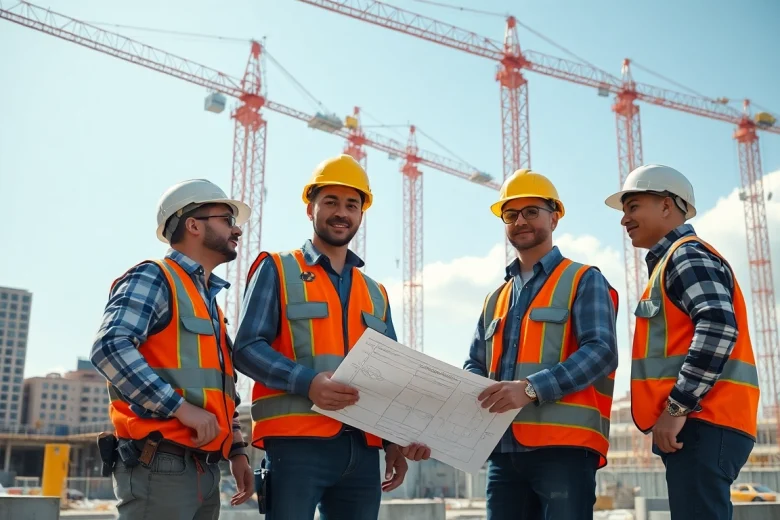
Understanding the Construction Association
Definition and Purpose of Construction Association
A construction association is a collective organization that serves the interests of professionals within the building and construction industry. These associations are formed to represent various stakeholders, including contractors, subcontractors, suppliers, architects, engineers, and other industry-related professionals. The primary purpose of construction associations is to ensure that members have access to resources, advocacy, and a unified voice in the marketplace. Through their work, they help to establish standards of practice, facilitate industry collaboration, and promote innovation within the field.
Key Functions and Responsibilities
Construction associations perform a myriad of crucial functions that contribute to both the sustainability and advancement of the industry. Some of their core responsibilities include:
- Advocacy: Representing members’ interests before government entities and regulatory bodies to influence policies that impact the construction sector.
- Training and Education: Offering workshops, seminars, and certifications to ensure that professionals are updated on best practices, safety regulations, and emerging technologies.
- Networking Events: Organizing meetings, trade shows, and social gatherings where members can connect, share insights, and build professional relationships.
- Information Dissemination: Providing newsletters, publications, and resources to keep members informed about trends, legal updates, and industry news.
- Standardization: Developing guidelines and standards for best practices in the industry to enhance professionalism and safety.
Importance in the Construction Industry
The role of construction associations is paramount in nurturing a thriving construction environment. They consolidate the voices of various professionals, ensuring that the industry moves cohesively toward common goals. By advocating for policy changes and engaging in public affairs, construction associations help sustain economic growth within the sector. Moreover, they promote safety standards and best practices, contributing to the overall well-being of workers and the general public.
Benefits of Joining a Construction Association
Access to Resources and Training
Membership in a construction association equips professionals with invaluable resources. Members typically gain exclusive access to training programs, educational webinars, and industry reports. This access not only enhances individual knowledge but also improves organizational capabilities. By staying informed on the latest industry trends and standards, individuals can ensure compliance and adopt best practices that enhance operational efficiency.
Networking Opportunities
Networking stands out as one of the most significant benefits of joining a construction association. These platforms allow professionals to meet peers, establish connections, and foster collaborative relationships that can lead to business opportunities. Whether through conferences, social events, or local chapter meetings, members can engage with others in their field, share insights, and strengthen professional networks.
Advocacy and Representation
Construction associations act as a collective voice for their members, advocating for favorable policies at various levels of government. They work to represent the interests of the construction sector, addressing issues ranging from labor laws to environmental regulations. Membership in an association ensures that individuals and organizations have representation in discussions that shape the future of the industry.
Challenges Facing Construction Associations Today
Economic Factors and Market Trends
The construction industry is significantly impacted by economic fluctuations. Changes in the market can affect demand for services and materials, leading to volatility that associations must navigate. Construction associations need to be proactive, responding to economic trends by providing their members with timely information and resources to adapt to changing conditions.
Technological Advancements
As technology evolves, construction associations face the challenge of keeping their members informed about new developments. This includes advancements such as Building Information Modeling (BIM), drones for site surveying, and sustainable materials. Associations must not only educate their members about these technologies but also advocate for their integration into daily practices to enhance productivity and safety.
Regulatory Changes and Compliance
The construction industry is heavily regulated, with local, state, and federal laws influencing practically every aspect of operations. Construction associations must stay abreast of regulatory changes and help their members navigate compliance. Failure to do so can lead to costly penalties and disruptions in business operations, making this a critical function of associations.
How to Choose the Right Construction Association
Assessing Membership Benefits
Not all construction associations are created equal. When evaluating options, potential members should assess the specific benefits offered, such as access to training programs, networking opportunities, and member resources. Understanding what each association brings to the table is essential for maximizing the value of membership.
Evaluating Reputation and Influence
The reputation of a construction association can significantly affect a member’s professional standing. Researching the association’s history, influence in the industry, and feedback from current members can provide insights into its effectiveness. A strong, well-respected association is more likely to provide valuable support and resources to its members.
Considering Geographic Coverage and Support
Geographical considerations are vital when selecting a construction association. Many associations operate at local, state, or national levels, and it’s important to choose one that aligns with your professional needs. Look for associations that have relevant local chapters or provide support in your area to ensure you receive the most pertinent resources and networking opportunities.
FAQs About Construction Associations
What is the main benefit of joining a construction association?
The primary benefit of joining a construction association is gaining access to vital industry resources, training, and a network of professionals, which collectively enhance career development and business opportunities.
How can construction associations help with networking?
Construction associations host numerous events, meetings, and seminars that allow members to connect with peers, exchange ideas, and establish professional relationships that can lead to collaborative opportunities.
Are there any costs associated with membership?
Yes, most construction associations charge membership fees, which can vary widely based on the association, the level of membership, and the services offered. It’s essential to evaluate the potential return on this investment.
What types of training do construction associations provide?
Construction associations offer a range of training programs, including safety certifications, project management courses, and workshops on new technologies and regulations, ensuring members stay competitive and compliant.
How do construction associations advocate for industry interests?
Construction associations engage in lobbying efforts, participate in public discussions, and develop position statements on industry-related issues to represent their members’ interests and influence policy changes.